Tips and stories
The most common mistakes in training a truffle dog
Nine of the most common mistakes in training a truffle dog — and how to avoid them for faster and steadier progress.
Training a dog to search for truffles is an exciting process that requires time, patience and a good approach. Many owners have a quality dog with excellent predispositions, but it is precisely small mistakes in training that often slow progress or create problems later in the work.
The good news is that most of these mistakes can be avoided or corrected in time.
Below we bring you the most common mistakes in training a truffle dog and tips on how to avoid them.
1. Expecting results too soon
One of the most common mistakes is expecting the dog to become reliable at work very quickly.
Truffle searching is a complex skill that develops gradually. The dog must:
- connect the scent with a reward
- develop the motivation to search
- learn marking
- gain experience in different terrains and conditions
With some dogs progress comes faster, while others need more time. Patience is one of the most important parts of the process.
2. Training sessions that are too long and too demanding
More training does not always mean better results.
Especially with puppies and young dogs, sessions that are too long can lead to:
- loss of motivation
- frustration
- fatigue
- a drop in concentration
Short, fun and successful sessions usually give far better results than long and demanding ones.
A dog should finish training motivated and with a sense of success.
3. Pushing serious work too early
Many owners want „real terrain” and serious searching too soon.
With young dogs, the most important thing is first to develop:
- a love of scent work
- self-confidence
- play and motivation
- a positive attitude towards training
If pressure is created too early, the dog may lose interest or start to associate the work with stress.
4. Helping the dog too much
The desire for the dog to succeed sometimes leads to too much guidance.
Handlers often:
- point with the hand
- unconsciously lead the dog to the scent
- intervene too early
- do not allow independent problem-solving
A truffle dog must learn to trust its own nose. It is precisely through independent searching that it develops confidence and quality work.
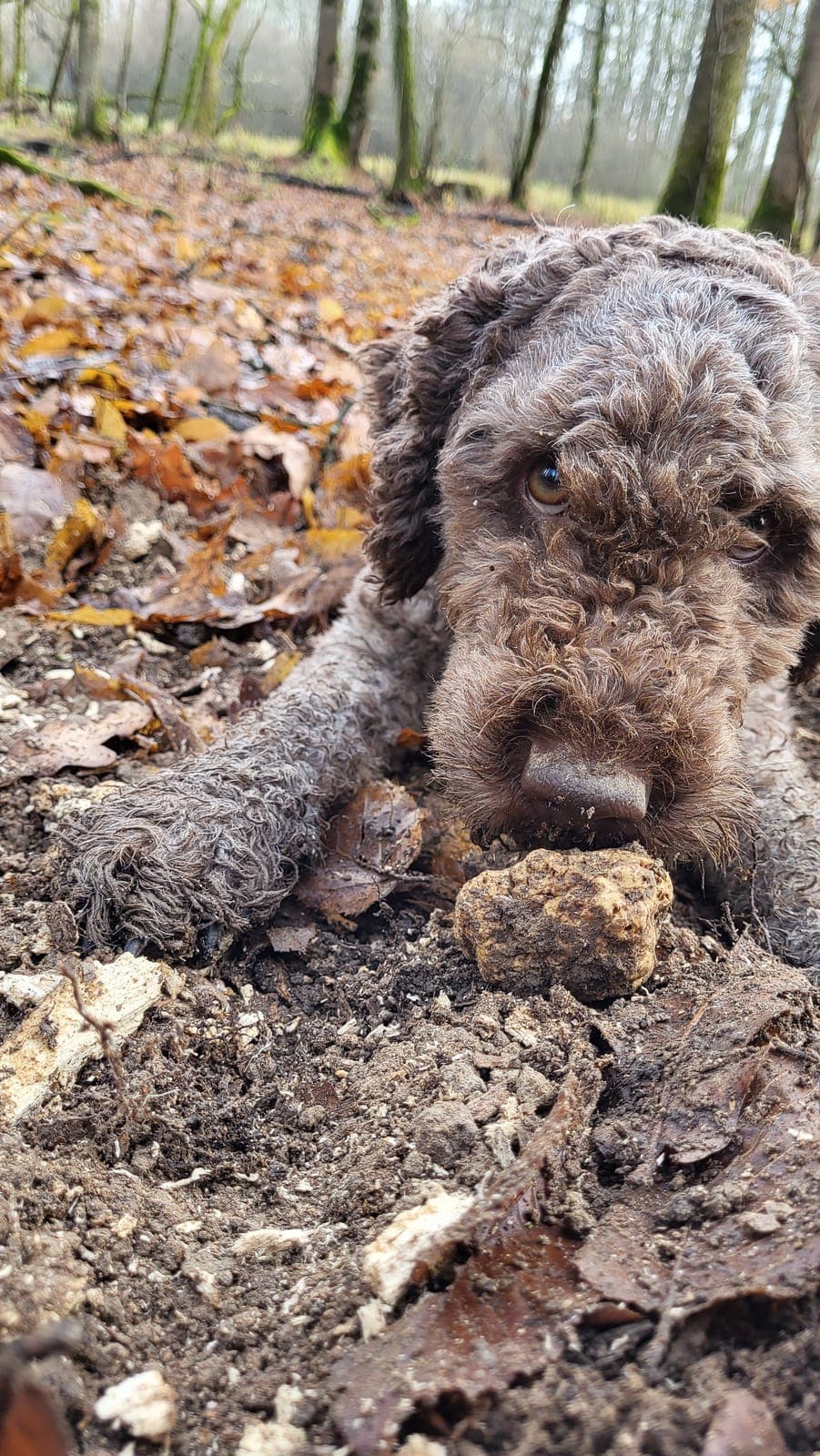
5. Inconsistent marking of truffles
One of the more important phases of training is the correct marking of a found truffle.
If the rules are not clear, problems can appear such as:
- digging up and playing with the truffle
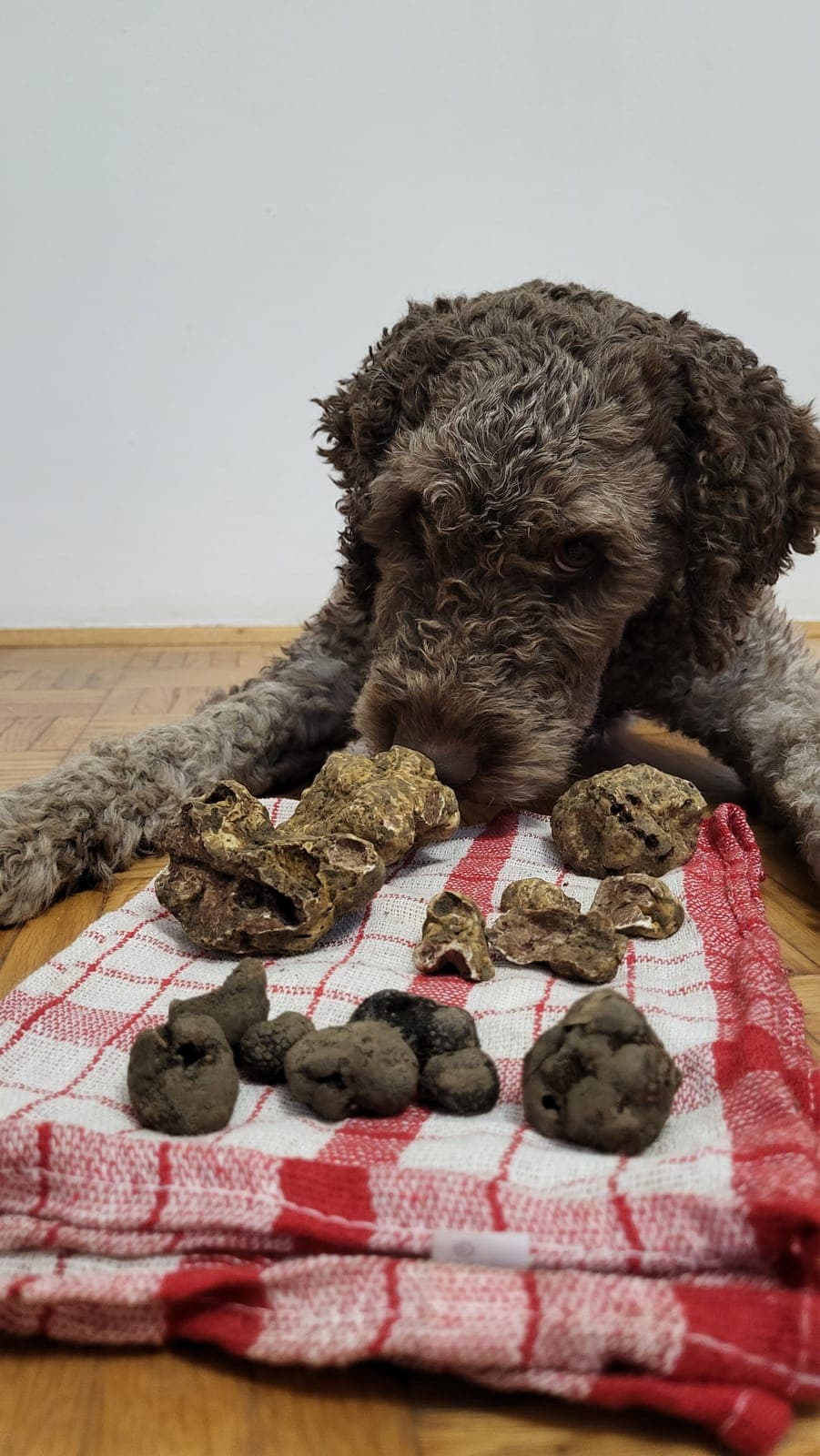
- devouring the truffle
- uncertain marking
- loss of focus on the location of the scent
From the start it is important to develop clear behaviour at the find.
6. Using punishment and unnecessary pressure
Scent work should be a source of enjoyment.
Harsh methods, anger or punishment often lead to:
- insecurity
- a drop in motivation
- fear of making a mistake
- weaker work
Most truffle dogs progress far better through:
- positive motivation
- praise
- reward
- good timing in training
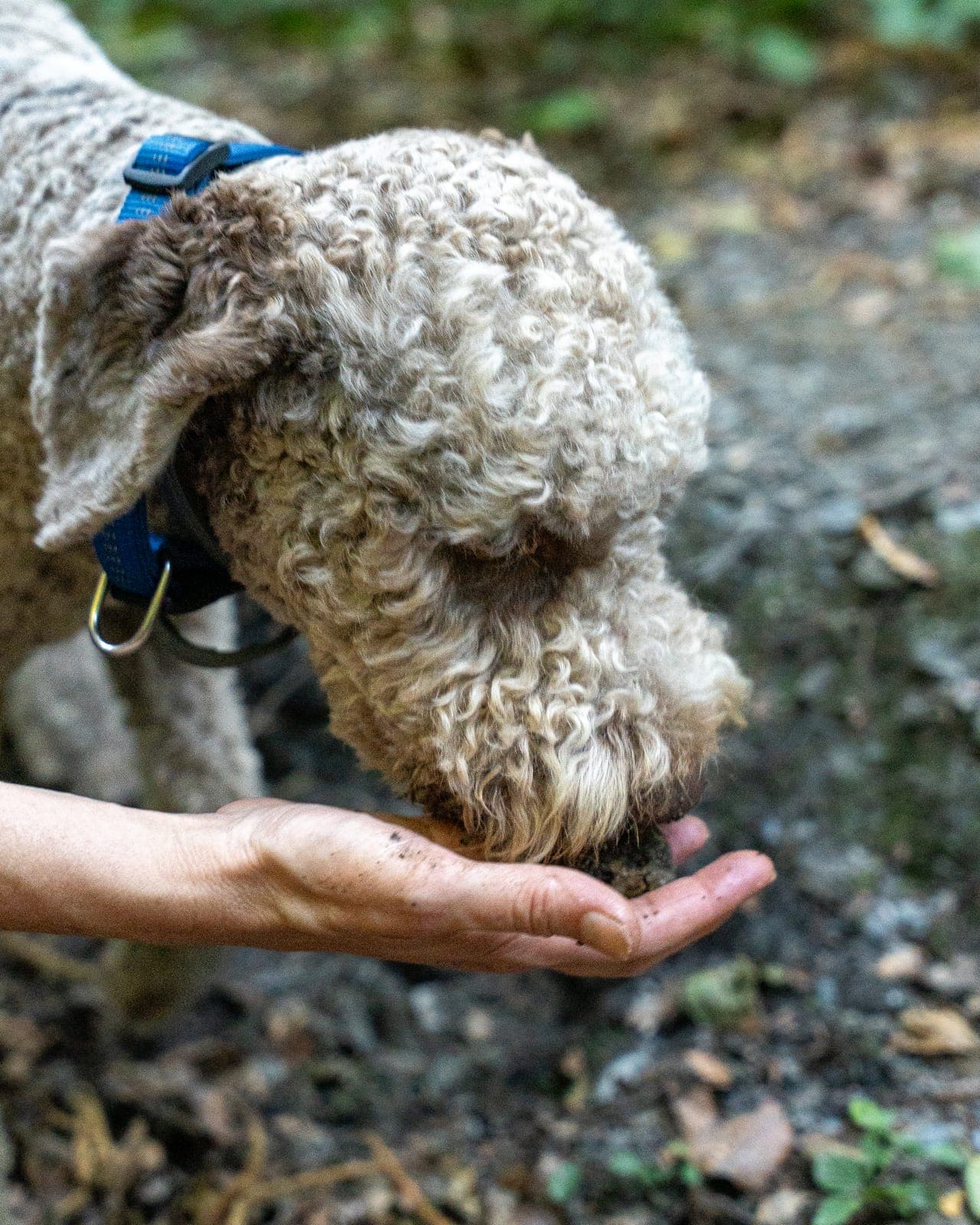
Especially more sensitive breeds, such as the Lagotto Romagnolo, respond best to cooperation and a positive approach.
7. Neglecting work outside of training
A truffle dog does not develop only during formal training. Everyday life also plays an important role.
It is important to work on:
- socialisation
- self-control
- obedience
- self-confidence
- the dog–handler relationship
A stable and balanced dog often achieves better results in the field.
8. Comparing your own dog with others
One of the common mistakes is comparing progress.
Some dogs:
- mature faster
- have stronger motivation
- learn differently
- need more experience
Successful training is not a competition but an individual process of development. The most important thing is to follow your own dog's progress.
9. Not enough work on different terrains
A dog that works only in a familiar environment can often have difficulties when conditions change.
Different terrains help develop:
- adaptability
- concentration
- confidence in work
- experience working with scents
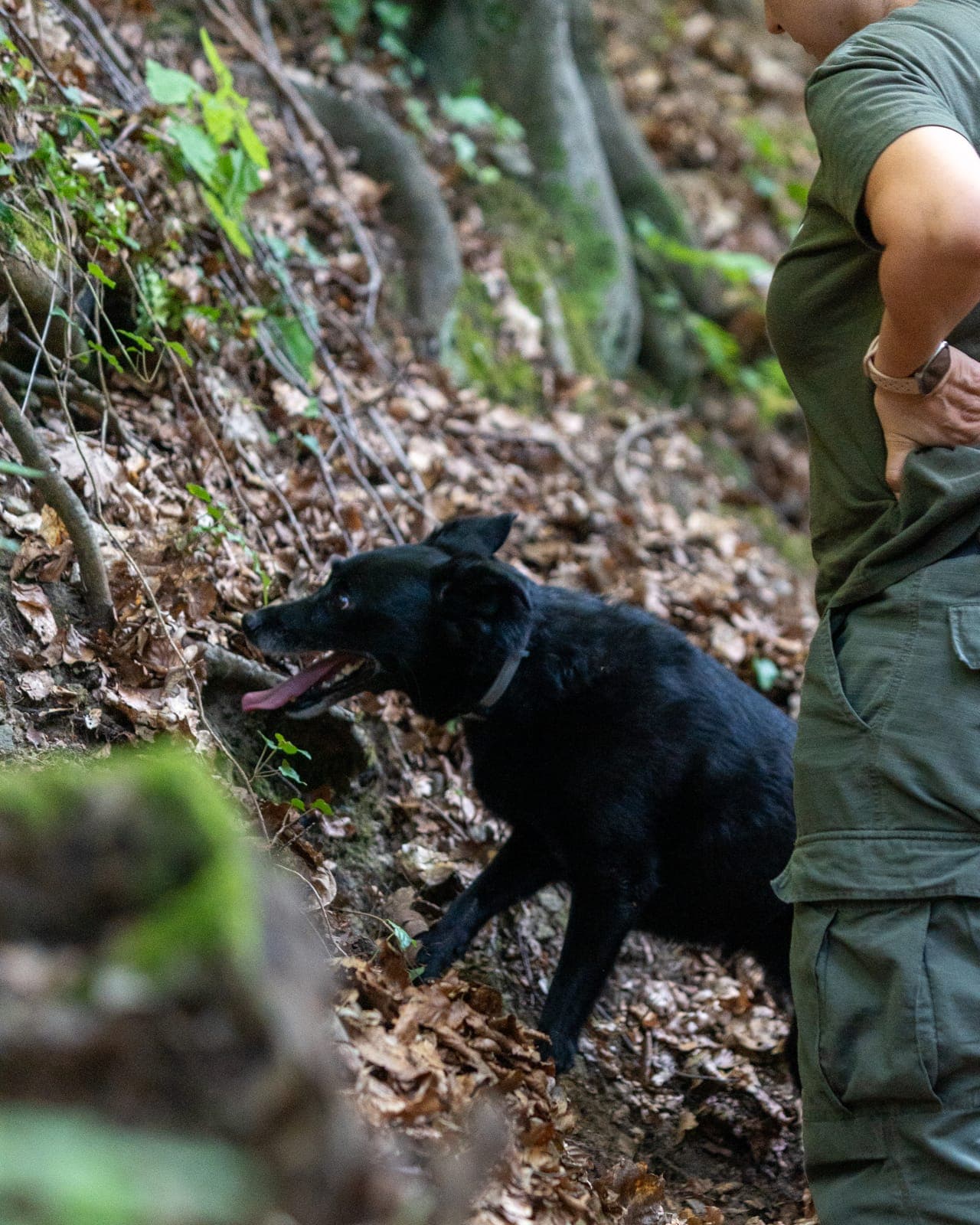
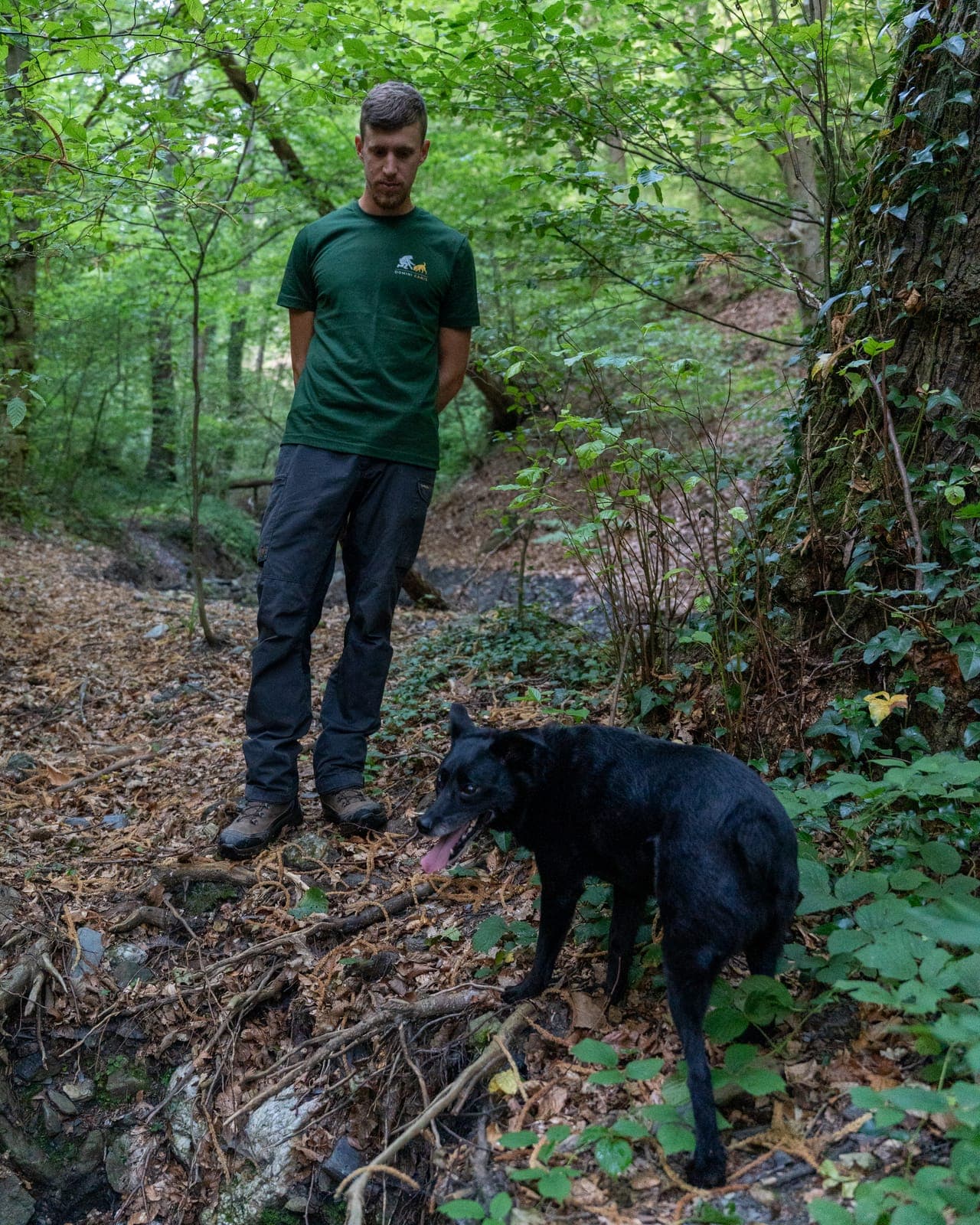
Forest, different soils and new surroundings are an important part of schooling a quality truffle dog.
Most problems in training a truffle dog do not come from a lack of talent, but from the wrong approach or unrealistic expectations.
The most successful handlers build training through:
- patience
- consistency
- motivation
- a positive relationship
- trust in the dog
When a dog enjoys the work and has the chance to develop its abilities at its own pace, training becomes more than learning – it becomes a partnership that brings results and satisfaction to both dog and handler.
Tips and stories